
The Sustainable Garden

Powered by
May in the Garden: Invite the Good Bugs In
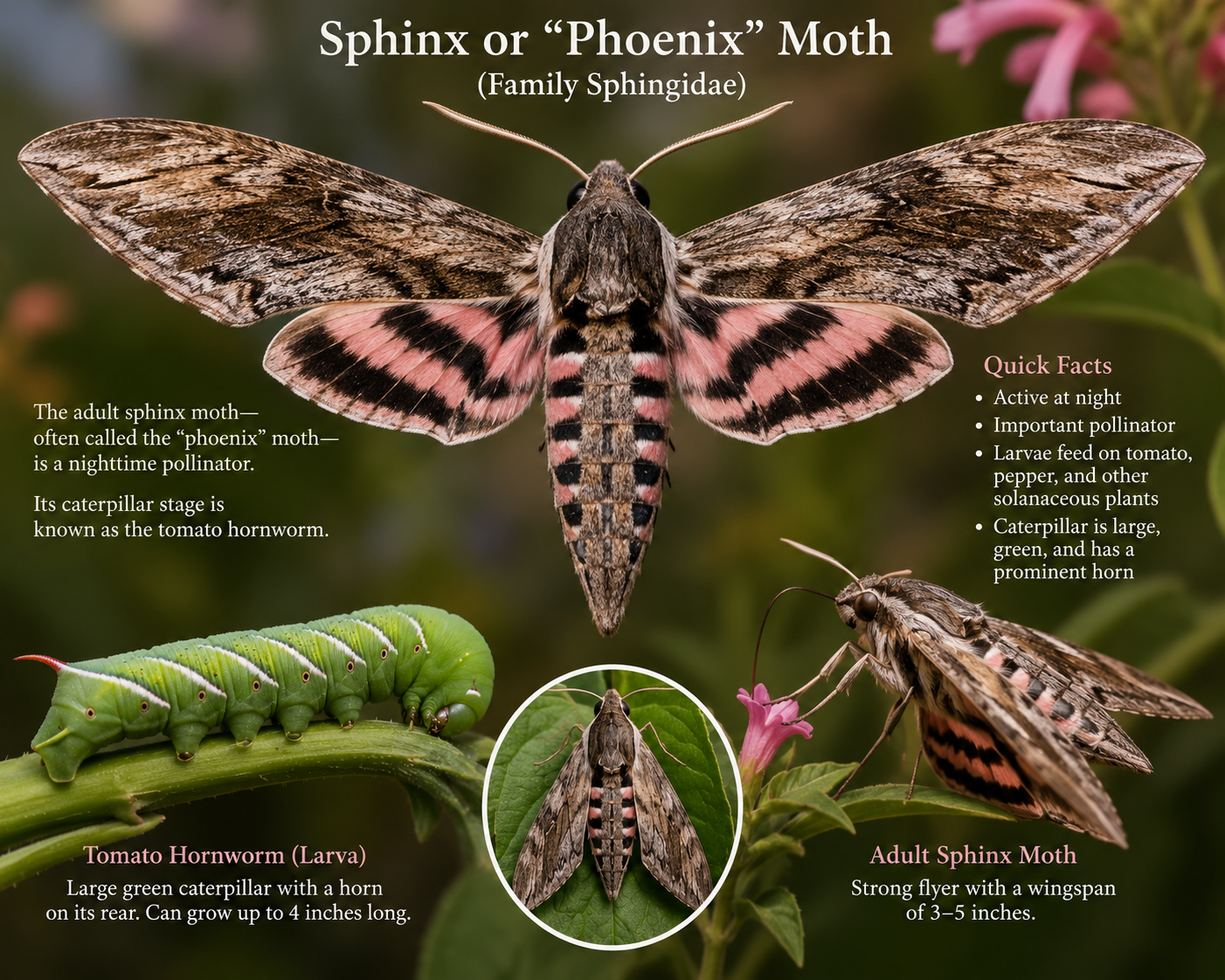
Spring gardens are waking up across the Mountain West — and so are the insects that help our gardens thrive.
While many gardeners focus on getting rid of bugs, May is the perfect time to welcome the beneficial insects that naturally pollinate plants, improve harvests, and keep damaging pests under control.
A healthy garden is not insect-free.
It’s balanced.
Why Beneficial Insects Matter
Beneficial insects are some of the hardest-working members of the garden. They:
• Pollinate vegetables, flowers, and fruit trees
• Reduce aphids, tomato hornworms, spider mites, and other pests
• Improve biodiversity and garden resilience
• Help reduce the need for harmful pesticides
When we create habitat for beneficial insects, our gardens become healthier, more productive, and easier to maintain naturally.
5 Beneficial Insects to Encourage This May
Ladybugs
Ladybugs are famous for devouring aphids and soft-bodied pests. One ladybug can eat dozens of aphids each day.

How to attract them:
• Plant dill, fennel, yarrow, and calendula
• Avoid broad-spectrum pesticides
• Provide shallow water sources
Lacewings
These delicate green insects are incredible pest hunters. Their larvae feed on aphids, whiteflies, mealybugs, and small caterpillars.

How to attract them:
• Plant cosmos, coreopsis, and alyssum
• Leave some garden areas undisturbed
• Reduce nighttime lighting around the garden
Hoverflies
Hoverflies look similar to small bees or wasps, but they are harmless pollinators. Their larvae consume aphids in large numbers.

How to attract them:
• Grow flat-topped flowers like yarrow and parsley
• Allow herbs to flower
• Plant a diversity of blooms throughout the season
Native Bees
Many native bees are even better pollinators than honeybees. They are essential for tomatoes, squash, berries, and fruit trees.

How to attract them:
• Plant native flowering plants
• Leave small patches of bare soil
• Avoid pesticide sprays during bloom time
Parasitic Wasps
These tiny beneficial wasps help control tomato hornworms, cabbage worms, and other caterpillars naturally.
If you ever see white cocoons attached to a hornworm — leave it alone. Beneficial wasps are already doing the work for you.

How to attract them:
• Plant dill, cilantro, fennel, and sweet alyssum
• Avoid chemical insecticides
• Allow some herbs to flower naturally
4 Simple Ways to Build an Insect-Friendly Garden
1. Plant More Flowers
Flowers provide nectar and pollen that beneficial insects need for survival.

Choose:
• Native plants
• Drought-tolerant blooms
• Long-blooming flowers
2. Avoid Broad-Spectrum Pesticides
Many pesticides kill both harmful and beneficial insects.
Instead:
• Handpick pests when possible
• Use targeted organic controls only when needed
• Focus on prevention and healthy soil
3. Add Water Sources
A shallow birdbath, dish with pebbles, or small fountain helps insects stay hydrated during hot Mountain West summers.
4. Let Parts of the Garden Stay Wild
Small natural areas provide shelter for pollinators and predatory insects.
Leave:
• Some leaf litter
• Hollow stems
• Seed heads
• Undisturbed corners
Mountain West Garden Reminder for May
May is one of the best times to:
✔ Plant warm-season vegetables
✔ Mulch garden beds before summer heat arrives
✔ Start deep watering practices
✔ Add pollinator-friendly flowers
✔ Watch for aphids and hornworms early
Remember: a few insects in the garden is normal. Nature works best when there is balance.
Featured Plants for Beneficial Insects
Great choices for Mountain West gardens:
• Yarrow
• Penstemon
• Blanket Flower
• Lavender
• Catmint
• Dill
• Fennel
• Sweet Alyssum
• Coreopsis
• Sunflowers
These plants provide beauty, pollinator support, and water-wise performance.
Final Thought
The healthiest gardens aren’t silent — they buzz with life.
Every bee, hoverfly, lacewing, and ladybug plays a role in creating a thriving ecosystem. By welcoming beneficial insects into the garden, we create stronger plants, healthier soil, and more resilient landscapes for the future.
*Woodstuff Landscape Supply
955 S 1950 W Springville Utah 84663
(801) 489-4777
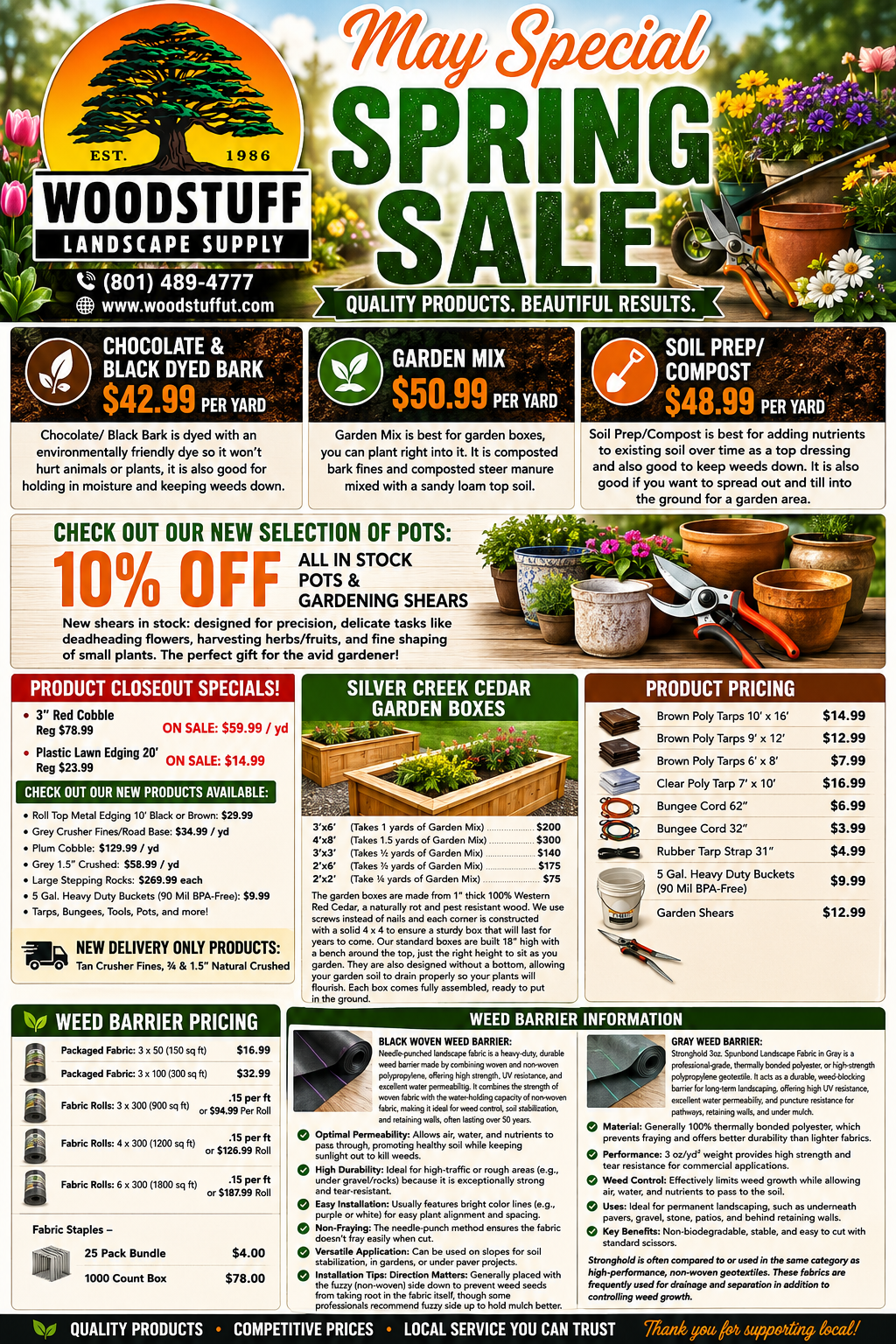
Click on Ad to enlarge!
*Special thanks to our sponsor Woodstuff Landscape Supply
The Sustainable Garden Newsletter is provided by Bloom Gardens
Happy Gardening!
Ramona
Bloom Gardens www.bloomgardens.org
